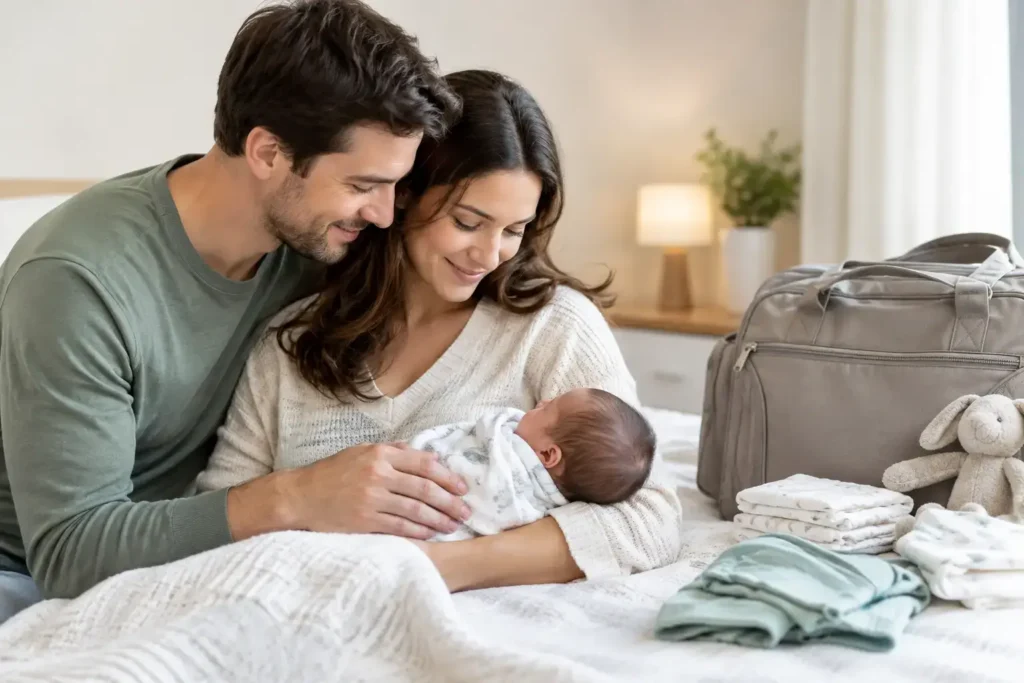

A beautiful family portrait rarely begins when everyone is standing in front of the camera. It begins in the small decisions made beforehand: choosing a season that feels like your family, selecting clothes that let everyone move comfortably, and making room for real connection. Thoughtful family portrait planning helps turn a photo session from one more item on a busy calendar into a memory your children will someday want to revisit.
The goal is not a collection of perfectly posed faces. It is to preserve the way your toddler reaches for your hand, the way your teenager makes everyone laugh, and the quiet closeness that can be easy to miss in everyday life. With a little guidance, your session can feel relaxed, personal, and wonderfully true to this chapter of your story.
Family Portrait Planning Starts With the Feeling
Before choosing outfits or a location, think about what you want these images to hold. Maybe this is the year your family finally feels settled in St. Augustine. Maybe you are welcoming a new baby, sending a senior toward graduation, or simply realizing how quickly ordinary weekends are passing. Those answers shape the session more than any trend ever could.
A sunlit beach session may suit a family that loves barefoot evenings near the water. A historic downtown setting can bring texture and a sense of place, while a quiet natural location may keep the focus entirely on the people you love. Your home can also be the right choice, especially during newborn days or seasons when comfort matters most.
There is no single best location. A beautiful backdrop should support your story, not compete with it. Consider how your chosen setting will feel in five or ten years. The places where you gather, explore, or slow down together often make the most meaningful portraits.
Choose a Date That Supports Your Family
For families with young children, the ideal session time is often less about the prettiest light and more about the happiest version of your child. If your little one naps in the afternoon, a sunrise session may be worth considering. If mornings are difficult, an early evening appointment may be a better fit. A rested, fed child usually matters more than a rigid schedule.
In Northeast Florida, the season also influences the experience. Summer offers lush color and long evenings, but heat and humidity can be challenging for babies and anyone wearing layered clothing. Fall and spring often bring gentler temperatures, though popular dates can book quickly. Winter light can be especially soft and lovely, and a few extra layers may make everyone more comfortable.
Build in margin around the session. Avoid scheduling portraits immediately after a birthday party, sports practice, long drive, or a day packed with errands. When the family arrives with a little breathing room, everyone has a better chance to settle in and enjoy one another.
Give young children a simple preview
Children do not need a long speech about how to behave for pictures. In fact, too much pressure can make them wary before they even arrive. A simple message works best: “We are going to spend some time together, play a little, and have our pictures taken.”
Let them know they will not need to sit still the entire time. Family portraits often include walking, snuggling, tickling, talking, and plenty of movement. The goal is to create space for genuine expressions, not to ask a child to perform happiness on command.
Build Outfits Around Connection, Not Matching
Coordinating outfits does not mean everyone needs the same shirt or exact shade of blue. The most timeless family wardrobe choices feel connected without looking uniform. Start with two or three colors that work naturally together, then add texture and subtle variation.
Soft neutrals, muted earth tones, gentle blues, warm creams, sage, rust, and dusty pinks often photograph beautifully in Florida’s natural settings. Choose one person’s outfit first, often the outfit with the most texture, pattern, or sentimental importance, then build the rest of the family around it.
Aim for clothing that allows movement. A child who cannot climb, sit, or be held comfortably will show it. A parent who feels self-conscious about a tight neckline or stiff fabric may struggle to relax. Choose pieces you feel good wearing, not pieces you hope will look right after an hour of discomfort.
Large logos, neon colors, and busy competing patterns can pull attention away from faces and connection. That does not mean every outfit needs to be plain. A small floral print, a soft stripe, or a textured knit can add visual interest when balanced with simpler pieces.
Bring practical backups when they make sense. A spare shirt for a young child, comfortable shoes for walking to a location, and a light layer for an unexpectedly breezy evening can save the day without becoming a distraction.
Plan for Real Life, Especially With Little Ones
Families often worry most about how their children will behave. That concern is understandable, but children do not need to be perfectly cooperative for meaningful images to happen. A shy child may need a few quiet minutes to warm up. An energetic child may need to run first. A baby may need a feeding break. These are not interruptions to the story – they are part of it.
Pack the familiar comfort item if it will help, even if it is not part of your original vision. Bring a favorite non-messy snack and water, but save treats for moments when they are genuinely useful rather than offering them from the start. Avoid bribes that create a countdown mentality. Instead, let the session be an experience your child can enjoy.
Parents set the emotional temperature. If a child is resisting, try not to correct every expression or insist on a smile. Stay close, offer a cuddle, tell a silly story, or simply focus on your child rather than the camera. The tenderness of those moments often becomes the portrait you treasure most.
Leave Space for the Unplanned Moments
The images families return to again and again are often not the perfectly arranged ones. They are the in-between moments: a child whispering in a parent’s ear, siblings breaking into laughter, hands linked while walking, or a parent looking at their family with unmistakable pride.
Share the details that matter to you before your session. Perhaps your oldest is especially close to Grandma, your daughter has a beloved stuffed animal, or you have not had professional photos since becoming a family of four. Knowing what matters helps shape gentle prompts and gives your photographer a fuller picture of the relationships in front of the lens.
It also helps to release the expectation that every frame must include everyone looking directly at the camera. A well-rounded gallery should include a few classic portraits for the wall, along with candid interactions that carry the feeling of your family right now.
Think Beyond the Digital Gallery
Your portraits deserve a life beyond a camera roll. As you plan, consider where you hope to enjoy the finished images. A framed family portrait can greet you in the entryway. A small collection may fit beautifully along a hallway. An heirloom album can become something your children pull from the shelf years from now.
This does not mean you need to decide every product before the session. It simply means photographing with purpose. If you know you would love an image over the mantel, mention it. A photographer can help create a composition that works for the space and guide you toward artwork that feels at home in your life.
At Willow & Roots Studios, every family is welcomed as the hero of its own story. Guidance is there when you need it, from choosing a location to helping little ones feel at ease, so you can spend less time managing details and more time being present with the people you love.
The laundry can wait, the children will keep growing, and there may never be a day when everyone feels completely ready. Choose a date, gather your people, and let this season be seen. The most meaningful portraits are not proof that life was perfect. They are proof that you were here together.