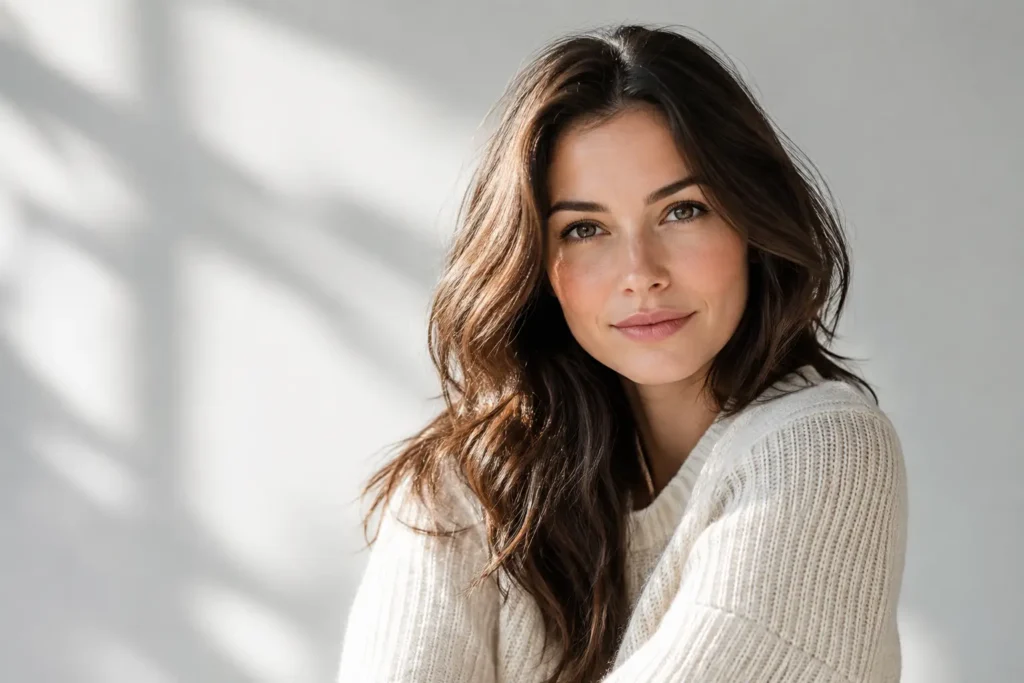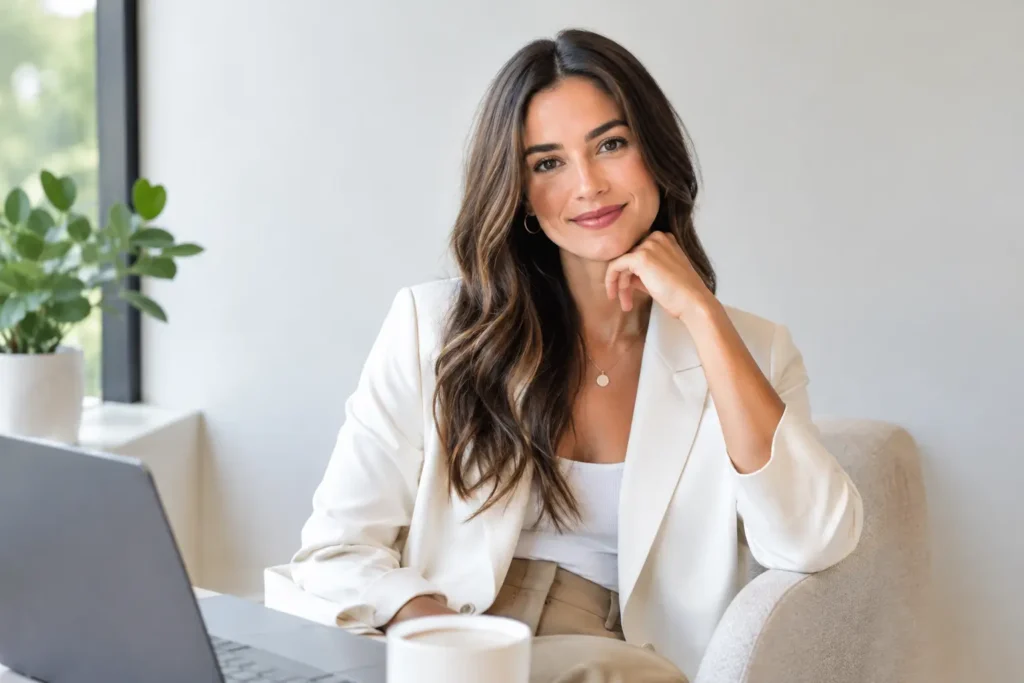
Your branding photos should not feel like a costume change. They should look like the version of you your clients meet when you are confident, prepared, and doing work you care about. The best outfits for branding photos are not always the trendiest pieces in your closet. They are the ones that support your story, flatter you beautifully, and help your audience recognize the person behind the business.
For many entrepreneurs and professionals, deciding what to wear is the most stressful part of planning a branding session. That is completely understandable. Your images may live on your website, social media, marketing materials, and business cards for months or even years. A little thoughtful preparation lets you step in front of the camera feeling less self-conscious and more connected to the message you want to share.
Start With the Feeling You Want Clients to Have
Before choosing a blouse, blazer, or pair of shoes, consider what you want someone to feel when they land on your website. A wellness professional may want to feel calm, grounded, and approachable. A creative entrepreneur may want to show energy and originality. A financial advisor or attorney may need images that communicate steadiness, trust, and polish.
Your wardrobe is one part of that first impression. Think of it as visual storytelling rather than a separate task on your to-do list. Ask yourself: if a dream client met me tomorrow, what would I wear that would help them feel at ease and confident in my expertise?
The answer does not have to be overly formal. In fact, branding portraits are often strongest when your clothing reflects the way you genuinely show up in your work. If you never wear a suit, a suit may feel stiff in the final images. If your work calls for a more elevated appearance, though, a tailored layer can create the structure your brand needs.
Best Outfits for Branding Photos Begin With Color
Color does a great deal of quiet work in a photograph. It guides the eye, influences mood, and helps your images feel cohesive across your marketing. Start with the colors already present in your brand, then choose shades that work with your skin tone and feel natural to wear.
Soft neutrals such as cream, camel, warm gray, navy, olive, and muted blue tend to photograph beautifully and remain timeless. Earthy tones can feel welcoming and grounded, while jewel tones such as emerald, burgundy, and sapphire often bring richness and confidence. A brighter color can be wonderful when it is part of your personality or brand identity, especially if it is balanced with simpler supporting pieces.
You do not need to match your logo from head to toe. Wearing every brand color at once can feel more like a uniform than a portrait. Instead, use a main color, a neutral, and perhaps one small accent through jewelry, shoes, or a layer. This gives your gallery variety while still creating a connected visual story.
Be mindful of very bright neon shades, tiny high-contrast patterns, and large logos. These can pull attention away from your face. Pure white can also be tricky in Florida’s bright light, depending on the location and background. An ivory, cream, or soft white often gives the same clean effect with a little more warmth.
Choose Colors for Your Setting, Too
A wardrobe that looks beautiful in a bright studio may need adjustment for a historic downtown St. Augustine street, a lush outdoor setting, or a light-filled office. If your session includes natural greenery, soft warm neutrals and blues can stand out without competing. In an interior with clean walls and natural light, a stronger solid color may give your images welcome definition.
Your photographer can help you consider the full scene, including the backgrounds, furniture, and type of light. The goal is not perfect coordination. It is an image that feels intentional from edge to edge.
Fit Matters More Than the Label
The camera notices what makes you uncomfortable. A shirt that rides up, pants that need constant adjusting, or a jacket that pulls at the buttons can make it harder to relax into natural expressions and movement. Choose clothing that fits well now, not something you hope will fit differently by session day.
Tailored does not mean tight. A slightly structured blazer, a well-fitting jumpsuit, a wrap dress, or trousers with a comfortable waist can create clean lines without limiting how you sit, walk, or work with your hands. Movement matters in branding photos because the most useful galleries include more than a few posed headshots. You may be typing at a desk, greeting a client, arranging products, writing notes, or walking through your workspace.
Try each outfit on in advance and move around in it. Sit down. Lift your arms. Turn sideways. Notice whether the neckline stays in place and whether the fabric wrinkles immediately. These small checks protect your comfort and give you one less thing to think about during your session.
Build Variety With Layers and Textures
Most branding sessions benefit from two or three coordinated looks rather than a completely unrelated pile of outfits. This gives you enough variety for different pages and campaigns while keeping your visual identity consistent.
Begin with a foundational piece you love, then add options around it. A simple dress can become more polished with a blazer. A blouse and trousers can feel more relaxed when the blazer comes off. A favorite pair of jeans may work beautifully with a refined knit top, statement earrings, and a structured jacket. The changes do not have to be dramatic to create a fresh set of images.
Texture adds dimension, especially in photographs with neutral colors. Think linen, cotton, silk, a soft knit, denim, or a subtle woven fabric. These materials tend to feel inviting and real. There is a balance, though. Very shiny fabrics, excessive ruffles, or heavy embellishment can become the focal point instead of your expression.
Accessories should feel like punctuation, not the entire sentence. Choose a few pieces that feel personal and work with your brand – perhaps your everyday earrings, a meaningful ring, a watch, or a simple necklace. If an accessory makes noise, catches on clothing, or feels unfamiliar, leave it at home.
Dress for the Work You Actually Do
The most compelling branding images show both your personality and your process. If you are a realtor, your wardrobe may include a professional outfit for client-facing portraits and a more relaxed look for images in a neighborhood or at a property. If you are a maker, chef, stylist, or wellness provider, choose clothes that look polished while still making sense for hands-on work.
Bring props only when they are part of the real story. A laptop, notebook, product packaging, camera, tools, or a favorite mug can help create useful lifestyle images. But there is no need to fill every frame with objects. Your face, presence, and connection are the heart of your brand.
If you work with a team, consider whether your individual session should coordinate with the broader business visual identity. You do not all need identical outfits. Shared tones and a similar level of formality usually create a more natural result than exact matching.
Plan Early Enough to Feel Calm
Set your outfits aside at least a few days before your session. Steam or press each piece, check for missing buttons or pet hair, and place undergarments, shoes, and accessories together. If you are trying something new, wear it around the house first. The goal is to arrive knowing that every detail has been cared for.
At Willow & Roots Studios, we believe feeling guided is part of feeling photogenic. You do not have to guess your way through every choice. A little conversation about your business, location, colors, and intended use for the images can turn wardrobe planning from a source of stress into a meaningful part of telling your story.
Choose clothing that leaves room for you to be present. When your outfit feels comfortable, aligned, and unmistakably yours, you can stop worrying about the camera and let your clients see the capable, welcoming person they have been looking for.