The first days at home can feel beautifully blurry. There are tiny fingers curled around yours, a favorite sleepy sound, and a face that seems to change before the next feeding. Newborn photography gives your family a way to hold onto this chapter with intention – not as a perfect performance, but as an honest, artful record of the love that began it all.
For many new parents, the thought of preparing for photos can feel like one more thing on an already full list. A thoughtful newborn session should do the opposite. It should offer a quiet pause, gentle direction, and portraits that let you remember not only how your baby looked, but how this season felt.
Why Newborn Photography Is About More Than a Baby Portrait
A newborn portrait is often the first visual chapter in a family’s story. Years from now, you may notice the soft swirl of hair, the small curve of a cheek, or the way your baby settled against your chest. Those details are temporary, but their meaning is not.
The most lasting images do not rely on elaborate props or a baby who sleeps through every moment. They make room for connection. A hand resting protectively on your baby’s back, an older sibling leaning close with curiosity, or a parent looking down with the kind of exhaustion and joy only new parenthood brings – these are the details that become part of your family legacy.
That is why a successful session is not measured by whether every image looks identical to a saved inspiration photo. It is measured by whether the final gallery feels like your family. Some babies sleep deeply, while others are bright-eyed and alert. Both can create meaningful photographs when the experience is shaped around your baby rather than rushed to fit a rigid plan.
The Best Time for Newborn Photos Depends on Your Family
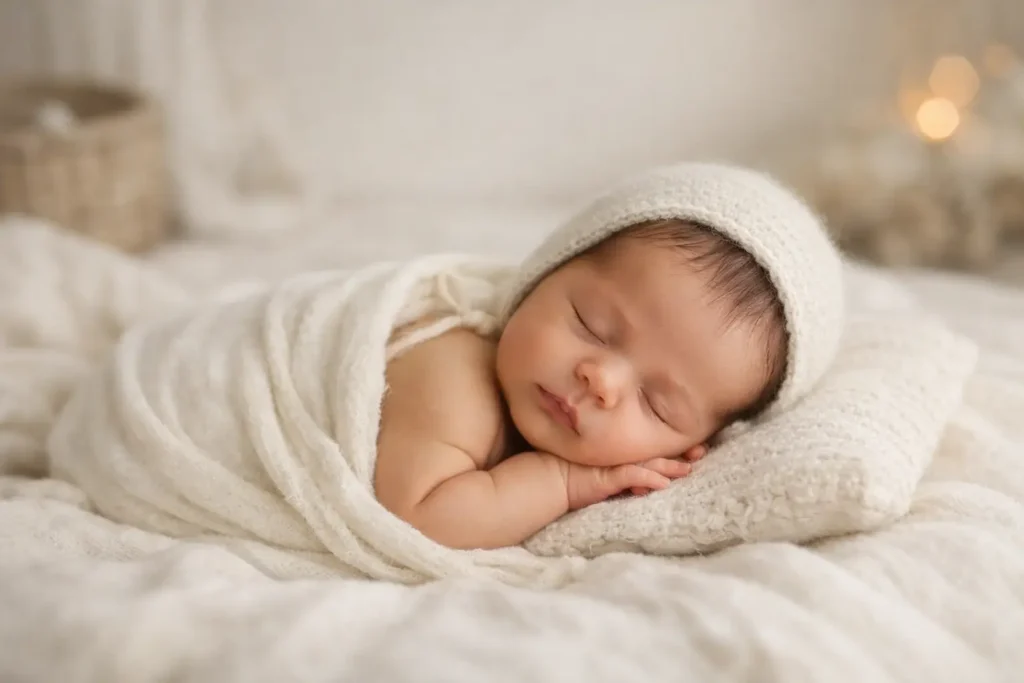
Many families schedule newborn portraits within the first two weeks after birth. During this window, babies are often especially sleepy and naturally curled, which can work well for softly posed images. If that style speaks to you, it helps to reach out during pregnancy so the session can be planned with flexibility around your actual delivery date.
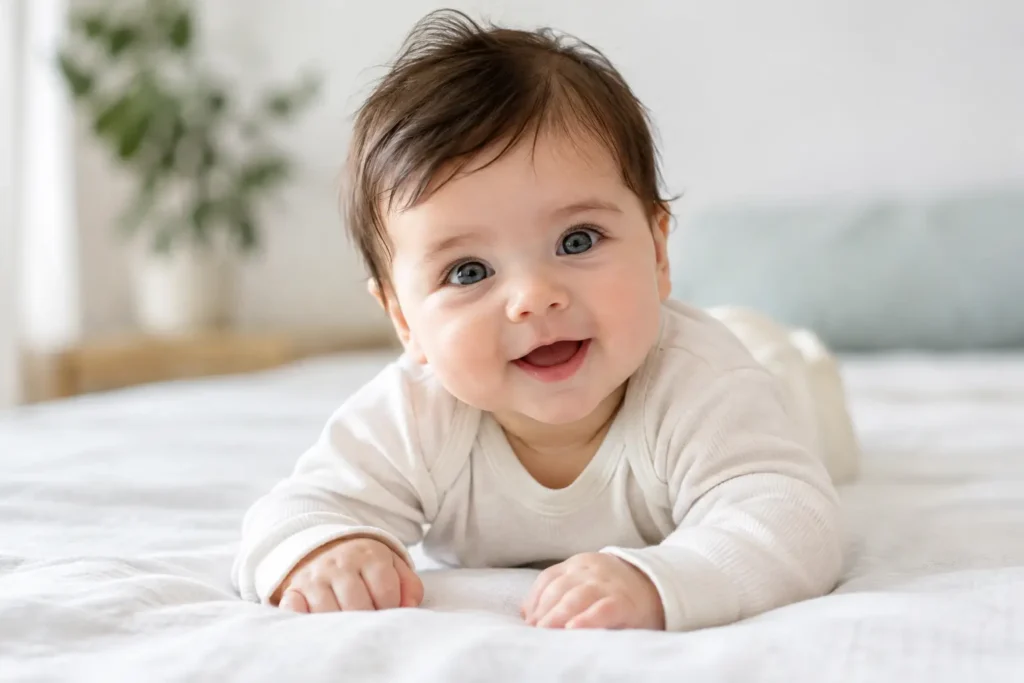
But there is no single deadline for beautiful newborn photography. A session at three, five, or even eight weeks can be just as meaningful. Older newborns may have longer alert periods, more expressive eyes, and a little more stretch in their limbs. The images may feel different from traditional sleepy newborn portraits, but they can be wonderfully personal.
The right timing also depends on how everyone is feeling. Recovery, feeding routines, sibling adjustment, and the general rhythm of life with a new baby all matter. The goal is not to force a date that feels overwhelming. It is to choose a time when you can arrive, or welcome your photographer into your home, feeling supported and cared for.
A Calm Session Starts Before the Camera Comes Out
The best preparation is usually simple. Rather than trying to control every variable, focus on creating a comfortable environment for your baby and family. Feed your baby shortly before the session if possible, but do not worry if timing shifts. Newborns set their own schedules, and a patient photographer expects breaks for feeding, changing, soothing, and cuddling.
For clothing, soft, neutral tones tend to keep the attention on connection and expression. Cream, warm white, gentle earth tones, muted blues, and soft pastels photograph beautifully without competing with your baby’s delicate features. Choose pieces that feel comfortable and like you. A flowing dress, a favorite knit, or a simple button-down can feel timeless without looking overly formal.
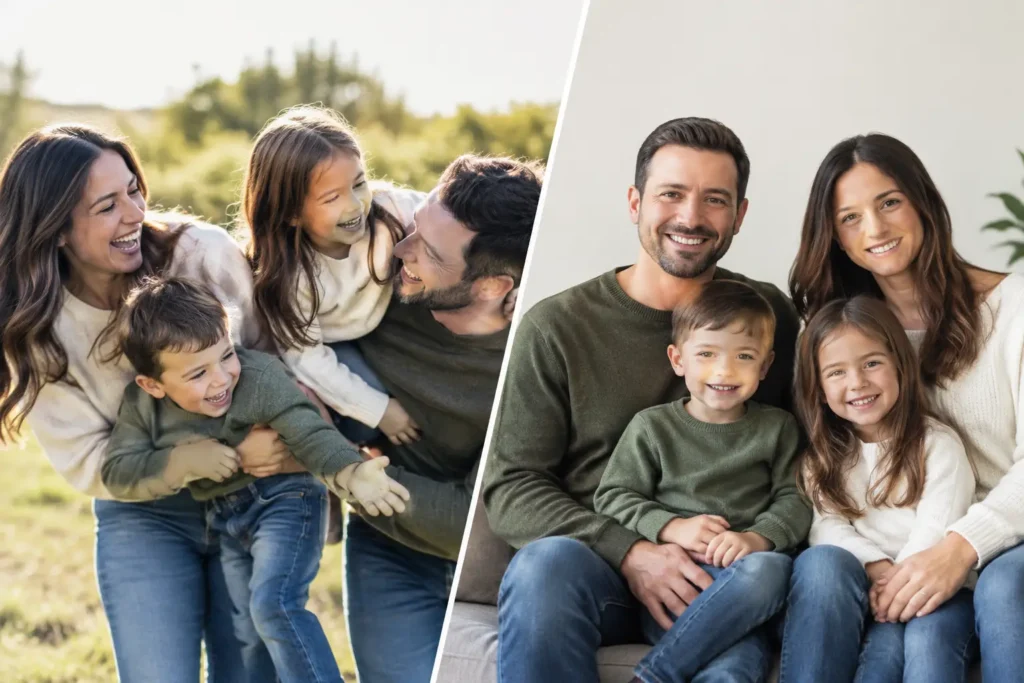
Try not to put pressure on older siblings to perform. Young children may need time to warm up, wiggle between photos, or take a snack break. Gentle prompts, close cuddles, and a little room to be themselves often lead to more authentic images than repeated requests to smile at the camera.
Most importantly, give yourself permission to be in the photographs. Many parents instinctively want to stay behind the scenes because they feel tired, emotional, or not quite like themselves yet. Those feelings are real. They are also part of this chapter. Your child will not see the things you were tempted to criticize. They will see the people who held them close from the very beginning.
Safety and Patience Should Lead Every Newborn Session
Newborn safety is never an accessory to beautiful portraiture. It is the foundation. Babies should always be supported, comfortable, and closely monitored throughout their session. A photographer experienced with newborns understands how to work slowly, read a baby’s cues, and adjust the plan when a pose, setup, or moment is not right for that child.
Not every baby enjoys being tightly wrapped or deeply posed. Some settle best in a parent’s arms, while others prefer to stretch, look around, or take frequent breaks. There is no need to push through discomfort for the sake of a certain image. The safest, most meaningful photographs are created with patience and care.
Temperature, cleanliness, and a calm pace also make a difference. A cozy room may help a baby relax, but comfort should always be monitored. Hands should be clean, props should be secure, and any image that appears to show a baby in a more complex position should be created with appropriate support and careful technique. Your baby’s well-being comes first, every time.
Choosing a Style You Will Love Years From Now
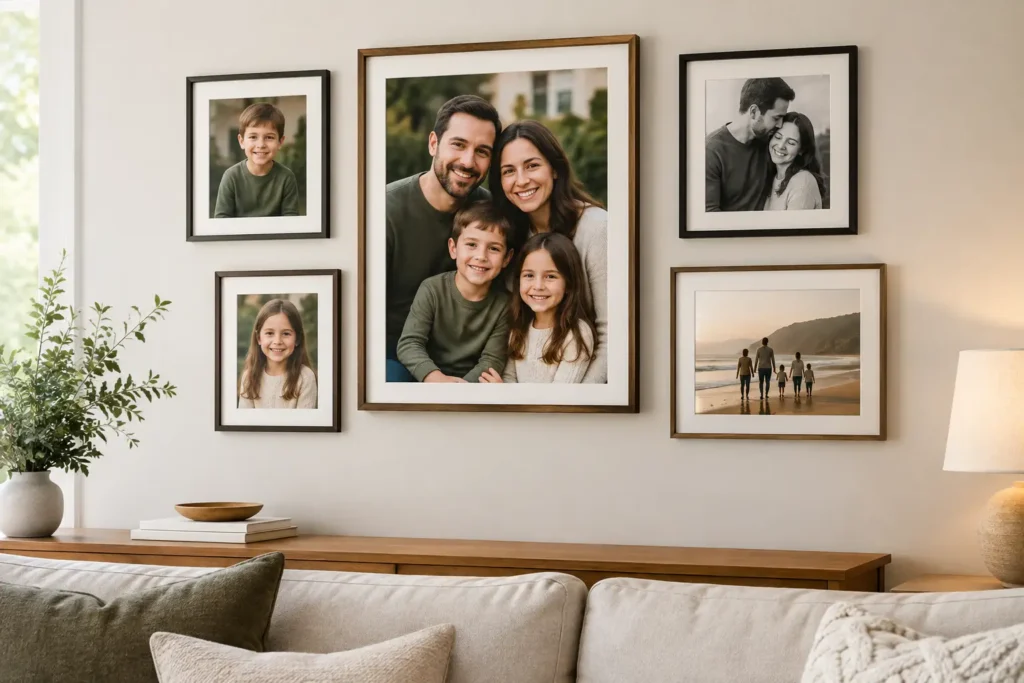
When you picture your finished photographs, consider where and how you want to enjoy them. Do you imagine a framed portrait above the mantel, an album you pull out on birthdays, or artwork that becomes part of your child’s everyday view of home? Your answer can help guide the style of your session.
A classic, softly lit approach often gives images a lasting quality. Simple backgrounds, natural textures, and an uncluttered color palette allow the emotion in the image to stay central. This does not mean every photo must be minimal. It means the styling should support your story rather than overpower it.
Lifestyle newborn sessions offer another meaningful direction. These often include your family in the spaces where early memories are being made: the nursery you prepared, the chair where late-night feedings happen, or the bed where everyone piles in for a quiet moment. Studio sessions can provide more control over light and styling, while in-home sessions may feel especially personal and relaxed. Neither is automatically better. The right choice depends on the experience and final artwork you hope to create.
Turn Your Images Into Something Your Family Can Hold
Digital files are valuable, but they are easy to leave sitting on a phone or tucked away in a folder. Your newborn photographs deserve a life beyond a screen. A framed print can become a daily reminder of how your family began. An heirloom album lets small hands turn pages and see the story of their earliest days. A collection of prints can grow alongside your family, connecting newborn portraits to future milestones.
This is where guidance matters. Choosing artwork does not have to mean sorting through endless options alone. At Willow & Roots Studios, the goal is to help you choose pieces that fit your home, your style, and the way you want these memories to live with you. A portrait is not simply something you receive after a session. It becomes part of the atmosphere of your family life.
The newborn season asks a lot of you, even as it gives you so much. Let the dishes wait a little longer. Hold your baby close, notice the weight of their head on your shoulder, and let someone help preserve the beginning of your story.