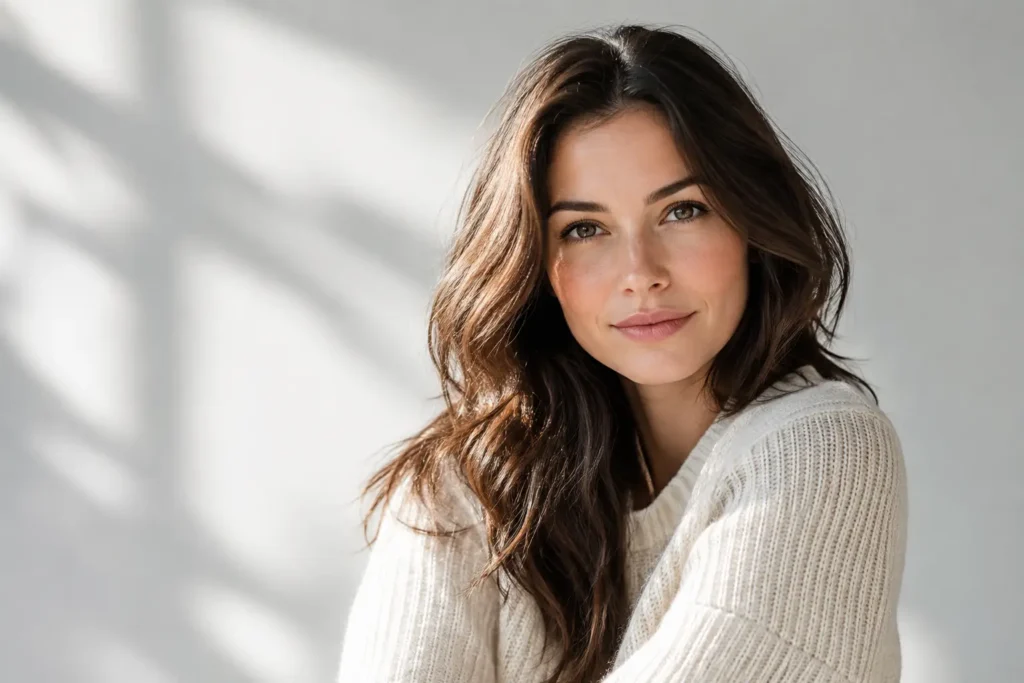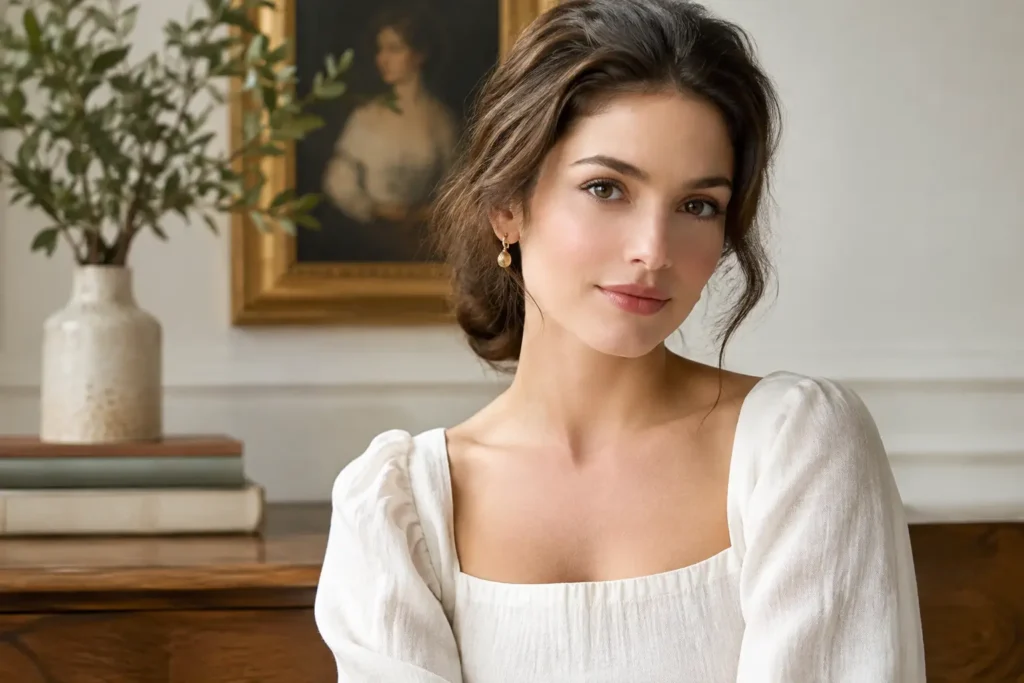
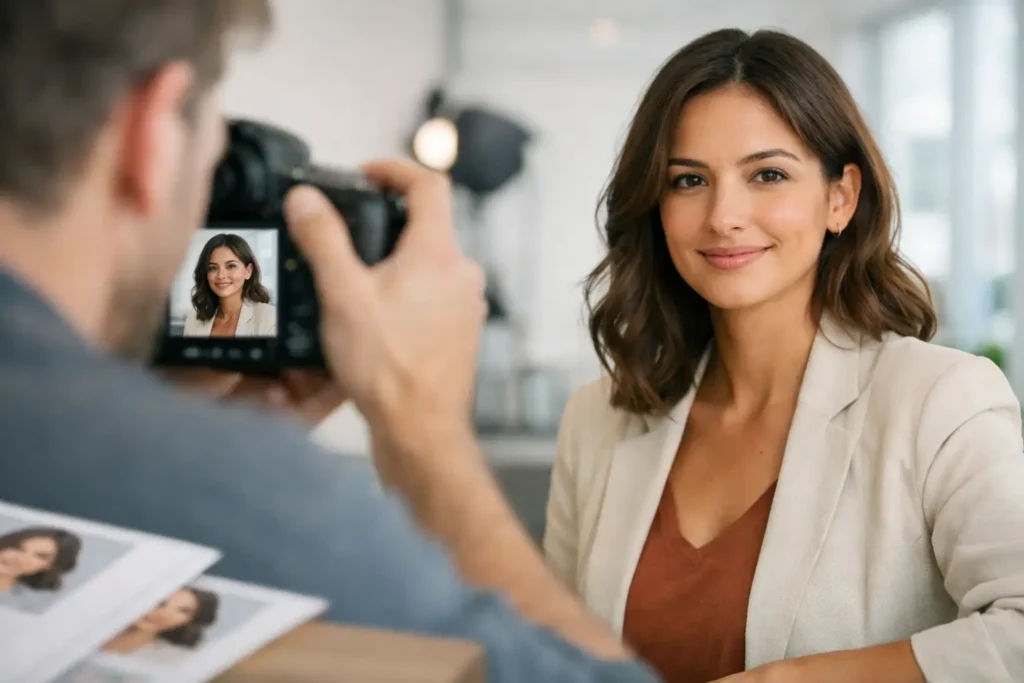
A headshot has a small but meaningful job to do. Before someone meets you, it may introduce your business, support your next career move, or help a client decide whether they want to work with you. Learning how to prepare headshots is not about becoming more photogenic overnight. It is about arriving with the details handled, so your confidence and personality have room to come through.
The most memorable professional portraits do not feel stiff or overly styled. They look like a clear, polished version of the person people will meet in real life. A little thoughtful preparation helps create that feeling, and it also makes your session far more relaxed.
Start With the Story You Want Your Headshot to Tell
Before choosing an outfit or booking a haircut, consider where your image will live. A corporate team page, LinkedIn profile, speaker bio, real estate listing, and creative business website can each call for a slightly different approach.
Ask yourself what you want someone to sense in the first few seconds. Warm and approachable? Confident and established? Creative and energetic? The answer can guide your clothing, expression, backdrop, and even whether you need a traditional headshot or a broader set of branding images.
For example, an attorney may want a refined, trustworthy portrait with classic styling. A wellness professional may want something lighter and more welcoming. An entrepreneur whose work is deeply personal may benefit from a few environmental images that show them in their workspace or interacting with the tools of their craft. None of these choices are about playing a part. They are about making your visual introduction feel aligned with the work you already do.
How to Prepare Headshots With the Right Outfit
Your clothing should support your face, not compete with it. The camera naturally notices bright patterns, shiny fabrics, large logos, and accessories that pull attention away from your expression. Simple, well-fitting pieces almost always photograph best.
Choose an outfit that makes sense for your profession while still feeling like you. If you usually meet clients in a blazer, bring one. If your work has a more relaxed, creative dress code, a beautifully fitting blouse, knit top, button-down, or structured dress may feel more authentic. You do not need to dress more formally than your real life just because a camera is present.
Solid colors and subtle textures are dependable choices. Jewel tones, rich earth tones, soft neutrals, and deeper shades can photograph beautifully, but the best color depends on your skin tone, hair color, and the session setting. Pure white can sometimes reflect light onto the face, while all-black clothing can lose detail against a dark background. Neither is off-limits, but both work best when chosen intentionally.
Fit matters more than the label. Try on your options a few days before your session, not ten minutes before you leave. Sit, stand, raise your arms, and notice whether anything gaps, wrinkles easily, or needs constant adjusting. When you are comfortable, your posture changes. That ease shows in photographs.
If you are bringing a second look, make it genuinely different rather than nearly identical. A jacket added over your first top, or a softer color in place of a darker one, can give you useful variety without creating extra decision fatigue.
Plan Grooming Early, Not the Night Before
Your goal is to look refreshed, not unlike yourself. Schedule haircuts, color appointments, brow shaping, or other grooming services several days before your session so everything has time to settle naturally. A brand-new haircut can be wonderful, but it can also feel unfamiliar if you have not had a chance to style it yourself.
For makeup, think polished and camera-ready rather than dramatic. Professional photography can soften color, so a little more definition than your everyday routine often helps: even skin tone, groomed brows, subtle contour, and lip color that brings life to your face. If makeup is not part of your normal routine, you do not need to suddenly wear a full face. A light, comfortable approach that still feels like you is the better choice.
Men and anyone with facial hair should plan for clean, intentional grooming. Whether you prefer a close shave or a beard, take a few extra minutes to shape edges and check for stray hairs. Moisturized skin also photographs more smoothly than dry skin, particularly in Florida’s sun and humidity.
Avoid trying a new skincare treatment, self-tanner, or product right before your session. Skin has its own timing, and an unexpected reaction is not the kind of surprise anyone needs. Stick with what you know works.
Give Yourself a Calm Runway to the Session
The most useful preparation is often logistical. Build in more time than you think you need, especially if you are coming from work, coordinating children, or changing clothes on location. Rushing into a session can leave you feeling flustered, and it takes time to shake that feeling.
The night before, lay out your clothing from head to toe. Check undergarments, shoes, jewelry, and any layers you plan to wear. Steam or press garments, remove tags or stickers, and place your essentials in one bag. If you wear glasses, clean the lenses and bring them along even if you are undecided. A photographer can help you determine whether they work best for the intended look.
On the day of your session, eat something nourishing and drink water. Skip anything that tends to make you feel uncomfortable or puffy, but do not arrive hungry in the hope of looking different. Your energy is part of your expression. A well-rested, well-fed person usually looks more at ease than someone trying to control every detail.
Bring a small touch-up kit with lip color, powder or blotting papers, a hairbrush, and any personal items you use to feel put together. In St. Augustine, the heat and coastal air can affect hair and makeup quickly, particularly for outdoor portraits. A few simple touch-up supplies make it easy to reset between looks.
Let Your Photographer Guide the Posing
Many people delay headshots because they worry they will not know what to do with their hands, smile, or shoulders. You are not expected to arrive knowing how to pose. That is part of the photographer’s role.
A well-guided headshot session includes direction for posture, chin placement, hand position when needed, and expressions that feel natural rather than frozen. Small adjustments make a significant difference, but they should never make you feel like you are being arranged into someone else.
Instead of trying to hold one perfect smile, let your expression move. Think of a person you genuinely enjoy talking with. Take a breath between frames. Allow yourself to laugh if something feels funny. The relaxed moments between the posed ones often carry the warmth that makes a headshot feel believable.
If something is making you self-conscious, say so. Maybe you prefer one side of your face, feel uncertain about your arms, or want to avoid a particular angle. Honest communication gives your photographer useful information and allows the session to feel collaborative.
Consider Whether You Need More Than One Image
A single strong headshot is valuable, but many professionals need images for more than one purpose. Your LinkedIn profile may call for a close, clean portrait, while your website homepage may benefit from a wider image with negative space for text. A business owner may also want detail shots, workspace portraits, or images that show connection with clients.
This is where headshots and branding sessions begin to overlap. It depends on your goals. If you simply need an updated professional profile photo, a focused headshot session may be exactly right. If your business needs content for a website, social media, launch materials, or speaking opportunities, planning for a broader set of images can give your marketing more consistency.
At Willow & Roots Studios, the experience is designed to make room for both polish and personality, so your images can feel professional without losing the human connection behind your work.
Release the Pressure to Be Perfect
A headshot is not a test of whether you photograph well. It is a record of your presence at this point in your career and life. The goal is not to erase every line, control every strand of hair, or create an image that looks disconnected from the person your clients will meet.
Come prepared, then let yourself be seen. The confidence people respond to is rarely about perfect features. It comes from someone who looks comfortable in their own story – and that is the kind of image people remember.