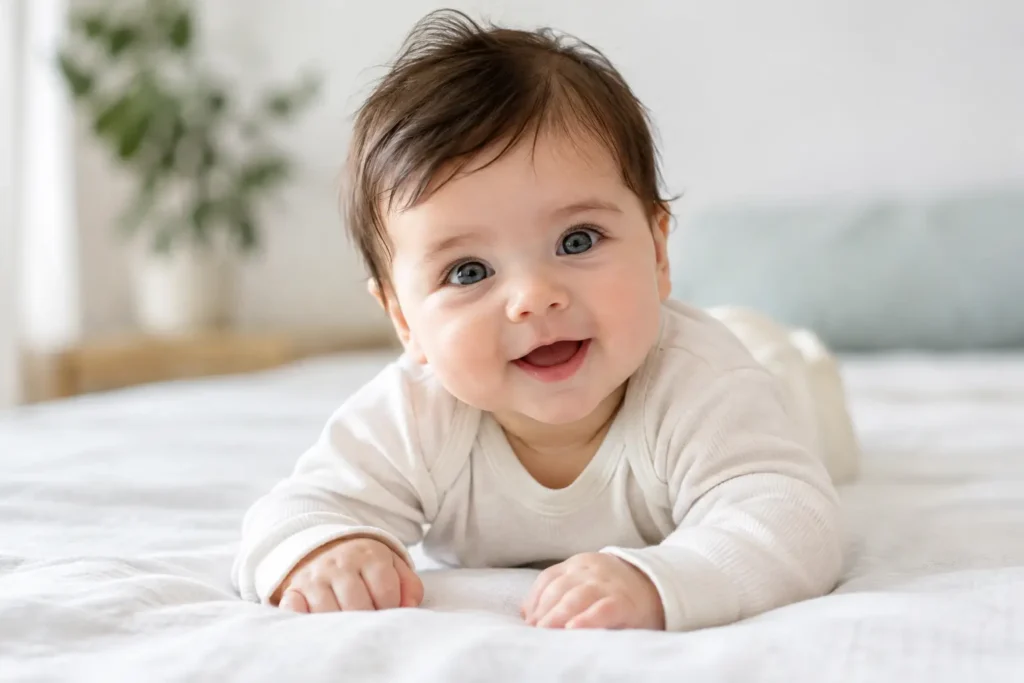
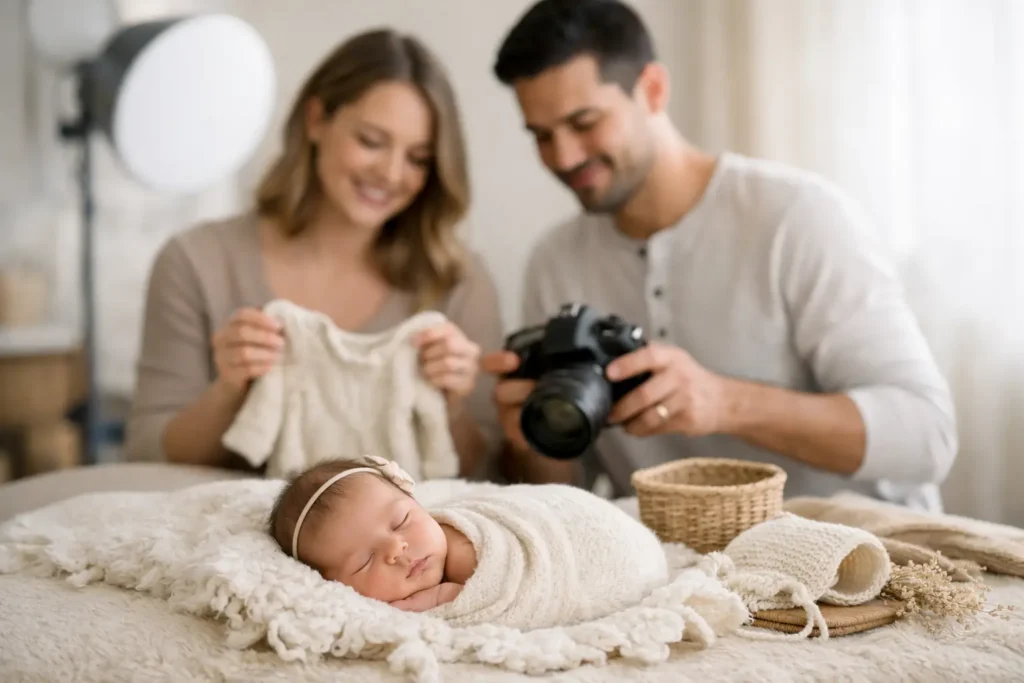
Those first days are a blur of feedings, diaper changes, and staring at a tiny face you still can’t believe is yours. That is exactly why newborn photos matter so much. They preserve the details that change almost overnight – the curled toes, the flaky skin, the way your baby fits perfectly in your arms right now, not six weeks from now.
For many parents, the idea of booking a session sounds beautiful in theory and overwhelming in practice. You are healing, adjusting, and probably not sleeping much. The good news is that a well-planned newborn session should never add stress to an already tender season. It should feel guided, gentle, and simple, with every choice designed to help your family settle in and be present.
When to schedule newborn photos
If you want those sleepy, curled-up portraits, timing does make a difference. Most newborn photos are taken within the first two weeks after birth, often between days 5 and 14. During that window, babies tend to sleep more deeply and curl naturally into the womb-like poses parents often love.
That said, there is no single perfect date that determines whether your gallery will feel meaningful. If your baby arrives early, needs extra medical care, or your recovery takes longer than expected, flexibility matters. Older newborns can still be beautifully photographed. The images may look a little different – more eye contact, more stretching, a little less of that tucked-in look – but they can be just as moving.
One of the easiest ways to reduce stress is to book during pregnancy. That gives your photographer time to plan around your due date and leaves room for adjustments once baby arrives. Instead of scrambling after delivery, you already know the next step.
What makes newborn photos feel timeless
The most enduring newborn images are usually the simplest. Soft light, neutral tones, natural posing, and real connection tend to age beautifully because they are centered on your baby rather than on a trend.
This does not mean every session has to look minimal in a strict or formal way. It simply means thoughtful styling usually photographs better than anything too busy or overly themed. A cream wrap, a classic swaddle, a simple bassinet, or your hands supporting your baby often says more than elaborate props ever could.
The same idea applies to family portraits during the session. Clothing with soft textures and quiet colors keeps the focus where it belongs. Whites, creams, warm grays, muted blues, and gentle earth tones all tend to photograph well. Loud logos, bright neon shades, and heavy patterns can pull attention away from your faces and your connection.
How to prepare for newborn photos at home or in studio
Preparation for newborn photos should feel practical, not complicated. The goal is not perfection. The goal is comfort.
If your session takes place in a studio, much of the setup is already handled for you. That can be a relief in the newborn stage because you do not have to worry about lighting, temperature, or clearing space in your home. A studio session also tends to create a very polished, consistent look.
If your session takes place at home, the atmosphere can feel deeply personal. Your nursery, your bedroom, and the couch where you spent those first long nights become part of the story. In-home sessions often lean more documentary and relaxed, though they still benefit from thoughtful guidance.
Whichever setting you choose, feeding your baby right before the session usually helps. A full baby is often a sleepy baby, and sleep makes transitions gentler. It also helps to keep the room warm, especially if baby will be swaddled loosely or photographed in simple layers. Many photographers will guide you through this beforehand so you are not guessing.
Parents often worry most about what they should do, but truly, your role is to stay close, stay calm, and trust the process. Babies feel that energy. If the session pauses for feeding, rocking, or changing, that is normal. Some of the best images happen in the in-between moments anyway.
What to wear for newborn photos
Parents are often surprised by how much their own wardrobe shapes the final gallery. Because your baby is small and delicate, anything you wear sits visually close to them in the frame. Soft, flattering pieces work best.
For moms, dresses or tops in light, neutral tones tend to photograph beautifully because they move gently and keep the look soft around baby’s skin. For dads, simple henleys, button-downs, or solid knit shirts usually feel timeless without looking too formal. Siblings often do best in outfits they can move comfortably in, especially young children who may only cooperate for a short window.
The best clothing choices are coordinated, not identical. Everyone does not need to match exactly. In fact, a little variation in tone and texture gives your images more depth. Think of your family as one visual story rather than separate outfits competing for attention.
Including parents and siblings in newborn photos
It is easy to assume the session is only about the baby, but family images are often the ones that grow in value most over time. Your child will not just want to see what they looked like. They will want to see how they were held, who loved them, and what the beginning of their story looked like.
Parents sometimes hesitate because they feel tired, swollen, or not quite like themselves yet. That feeling is common, and it deserves tenderness. But please know this – your baby will never measure you against postpartum perfection. They will see warmth, safety, and love. A skilled photographer knows how to pose and light you in a way that feels natural and flattering, even when you are running on very little sleep.
Siblings also bring something irreplaceable to the session. Their curiosity, pride, and even their unpredictability can create images that feel real and full of life. If a toddler is not immediately cooperative, that does not mean the session is failing. Often it just means the pace needs to shift. Short, playful prompts usually work better than expecting long stretches of stillness.
Common concerns about newborn photos
One of the biggest worries parents have is, what if my baby will not sleep? The honest answer is that it depends on the baby, the day, and the style of session. Sleepy photos are lovely, but awake photos can be just as beautiful. Wide eyes, stretched limbs, and little expressions often create some of the most memorable portraits.
Another concern is whether the house needs to be spotless for in-home newborn photos. It does not. Usually, only a few areas are used, and photographers are trained to work around everyday life. A cleared nightstand, a made bed, and open window light go a long way.
Parents also ask whether newborn sessions are safe. They should be. Safety is never a trend or an afterthought. Proper support, gentle posing, and a baby-led pace matter more than any image. If a pose does not suit your baby comfortably, it should not be forced.
Why professional newborn photos are different
Phone photos have a beautiful place in family life. They catch the quick, ordinary moments you would miss otherwise. But professional newborn photos offer something different. They are intentional. They are crafted with light, composition, safety, and storytelling in mind.
Just as important, they allow you to be in the frame. When you hand your memories to someone you trust, you stop being the one documenting everything and get to simply hold your baby. That shift matters more than most parents expect.
At Willow & Roots Studios, that guidance is part of the experience. Families are not left to figure it out on their own. They are cared for, prepared well, and photographed in a way that honors both the tenderness of the season and the legacy being built inside it.
The value of printing your newborn photos
Newborn images deserve more than a quick post and a folder on your phone. They are the beginning of your child’s visual story. When printed and displayed, they become part of your home and part of your family memory in a much more tangible way.
A framed portrait in the nursery, an album on the coffee table, or a small collection displayed alongside future milestone sessions gives these early days a lasting place in your everyday life. That is often the difference between having photos and truly living with them.
Years from now, you may not remember how little your baby once felt against your chest or how tiny their fingers looked wrapped around yours. But you will be able to see it. And more importantly, your child will too.
If you are thinking about newborn photos, trust that simple preparation and gentle guidance go a long way. You do not need to arrive perfectly rested or have every detail figured out. You just need to show up with your baby and let this chapter be held with care.