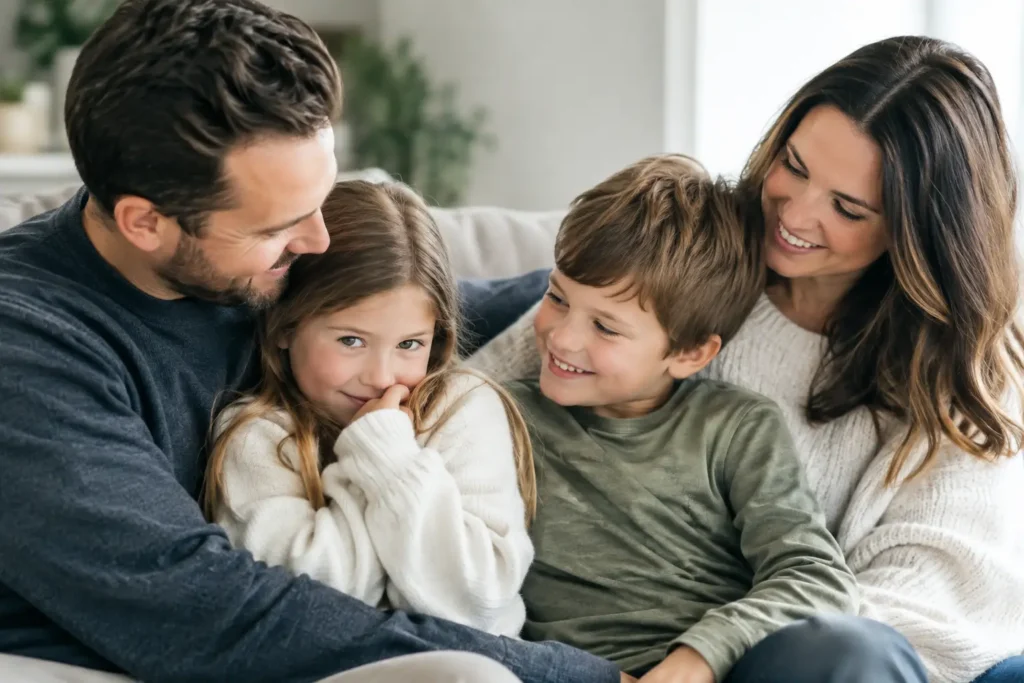
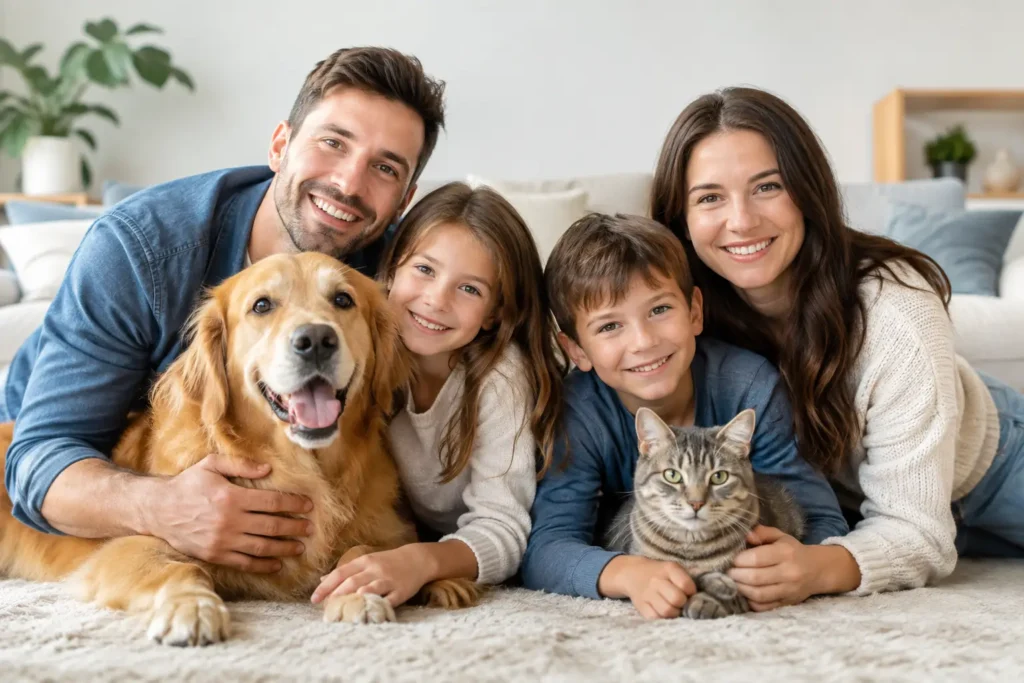
A family portrait can feel almost complete until you picture the one family member who will not be standing in the frame: the dog who sleeps at your feet, the cat who claims the sunniest window, or the horse your teenager visits before school. Learning how to include pets in portraits means planning for their personality, not expecting them to behave like tiny humans. With a little preparation and a flexible mindset, their presence can make your photographs feel more honest, more joyful, and unmistakably yours.
Pets bring movement, humor, tenderness, and the kind of connection that cannot be staged. They may not look at the camera on cue, and that is often exactly what makes the image meaningful. The goal is not perfection. It is to preserve this chapter of family life, including the companion who has been there for the ordinary mornings, the hard days, and the best welcomes home.
Start With Your Pet’s Comfort
The best pet portraits begin before the session day. Consider where your pet feels safest and most relaxed. Some dogs are happiest on a familiar walking trail or in the backyard, while others do well at a quiet outdoor location with room to sniff and settle. Cats and smaller pets often feel more secure in the comfort of home, where familiar sounds and scents help them remain calm.
Think honestly about your pet’s temperament. A social dog may enjoy a public park at golden hour. A nervous rescue dog may need a quieter spot, a shorter session window, or an at-home approach. There is no prize for choosing the most picturesque location if it leaves your pet overwhelmed. A peaceful experience will always create more meaningful expressions than a beautiful setting with a stressed animal.
Before committing to a location, confirm that pets are allowed and that the environment is safe. Heat matters in Northeast Florida, especially for thick-coated dogs and short-nosed breeds. Morning or late-evening light is usually more comfortable, and shade, water, and cool-down breaks should be part of the plan.
How to Include Pets in Portraits Without the Stress
A portrait session does not need to depend on your pet staying still for an hour. In fact, the most successful approach is to photograph pets early, then give them a break. Plan to bring another trusted adult who can take your pet for a walk, sit with them nearby, or bring them home once their portion of the session is complete. That gives your family space for a few pet-free images, too.
Arrive with the practical essentials: a leash, waste bags, water, a small towel, favorite treats, and a toy that makes a sound your pet recognizes. Keep treats tiny and easy to eat, so your pet is not distracted by a long chewing break. If a squeaky toy makes your dog wildly excited, use it sparingly. A curious head tilt is sweet; frantic leaping is harder to photograph safely.
A well-fitted, simple collar or harness photographs best. If your dog needs a particular harness for comfort or safety, use it without apology. Their well-being comes first, and a thoughtful photographer can work with the leash rather than asking you to take a risk. Avoid unfamiliar accessories on session day, especially if they have not been tested at home.
Let the first few minutes be unhurried
Give your pet time to explore the area on leash and adjust to the new surroundings. This is also a good moment for your photographer to meet them at their level, without rushing in for eye contact or affection. A few minutes of calm observation can reveal whether your pet responds best to treats, praise, movement, or simply staying close to you.
If your pet seems anxious, do not force the moment. Step back, offer a drink of water, and let them reset. The photographs do not need to prove that your pet is perfectly trained. They should reflect the relationship you actually share.
Choose Poses That Feel Like Your Family
The easiest pet-inclusive portraits often involve connection rather than everyone facing forward. Sit together on a blanket while your dog settles beside you. Walk hand in hand with your pet on leash. Invite your child to kneel down for a quiet hug. These interactions give your hands something natural to do and allow your pet to move in a way that feels familiar.
A few classic, camera-facing images are worth trying, but they are not the only images that matter. A dog looking lovingly at their person, a toddler reaching for soft ears, or a parent holding a sleepy puppy may become the photograph that tells your story most clearly. Those in-between moments often become favorites because they carry real affection.
For large dogs, avoid asking small children to hold the leash alone. Keep an adult in control and arrange the group so everyone has room to be safe and comfortable. For cats, rabbits, or other small pets, a secure carrier nearby can offer a familiar refuge between photographs. Their safety should shape every pose.
Coordinate Outfits With Care, Not Costume
Your pet does not need a matching outfit to belong in the portrait. In most cases, a freshly brushed coat, a clean collar, and a simple bandana in a complementary color are more than enough. If your family is wearing soft neutrals, earthy tones, or gentle blues, choose an accessory that fits that palette without becoming the center of attention.
Avoid dressing a pet in anything that restricts movement, causes overheating, or clearly makes them uncomfortable. A portrait is never worth a miserable animal. If they tolerate a bow tie for two minutes, it may work for one quick frame. If they shake it off, let it go. Their natural expression is more valuable than a novelty accessory.
It also helps to choose clothing that can handle real life. Dark pants can be practical if your pet sheds, and bringing a lint roller can save a little last-minute worry. More importantly, wear something you can sit, walk, and cuddle in. Your comfort reads in every photograph.
Plan for the Imperfect Moments
Pets have their own timing. They may look away at the exact instant everyone else smiles. They may decide that a leaf is fascinating or lie down just as the family gathers. Instead of treating those moments as setbacks, expect them as part of the experience.
Professional pet-inclusive photography involves patience, quick reactions, and a willingness to work in short bursts. A photographer may take the traditional image first, then capture candid connection while your pet relaxes. Sometimes the strongest frame happens between prompts, when your family laughs at the unexpected or reaches down to reassure a wiggly companion.
It is also wise to release one expectation: not every family member has to look at the camera in every image. When one person is gazing at the pet and another is laughing toward a child, the resulting portrait can feel alive. You are not creating a school picture. You are preserving the rhythm of your family as it is right now.
Consider Your Pet’s Season of Life
Including a puppy in portraits is a celebration of the joyful chaos they bring. Including a senior pet can carry a quieter significance. If your companion is slowing down, has a health condition, or is nearing the end of life, do not wait for a more convenient season. A short, gentle portrait session at home may become a treasured way to honor the bond they have had with your family.
For older pets, choose soft surfaces, shade, and a pace that allows plenty of rests. Photograph the details, too: a graying muzzle, a hand resting on a familiar back, paws beside bare feet. These small details can hold enormous emotional weight years later.
The same thoughtfulness applies after loss. You may want to display a favorite portrait, create an album page, or simply keep an image that shows your pet in the place they held within your family. These photographs are not only about the animal. They hold a record of how deeply your family loved.
Your pet does not need to perform to earn a place in the frame. Bring the treats, allow extra time, and let the session make room for the real connection you share. Years from now, the fur on your clothes and the imperfect glances will likely be the details that bring the whole memory rushing back.